
 Call your local pro today!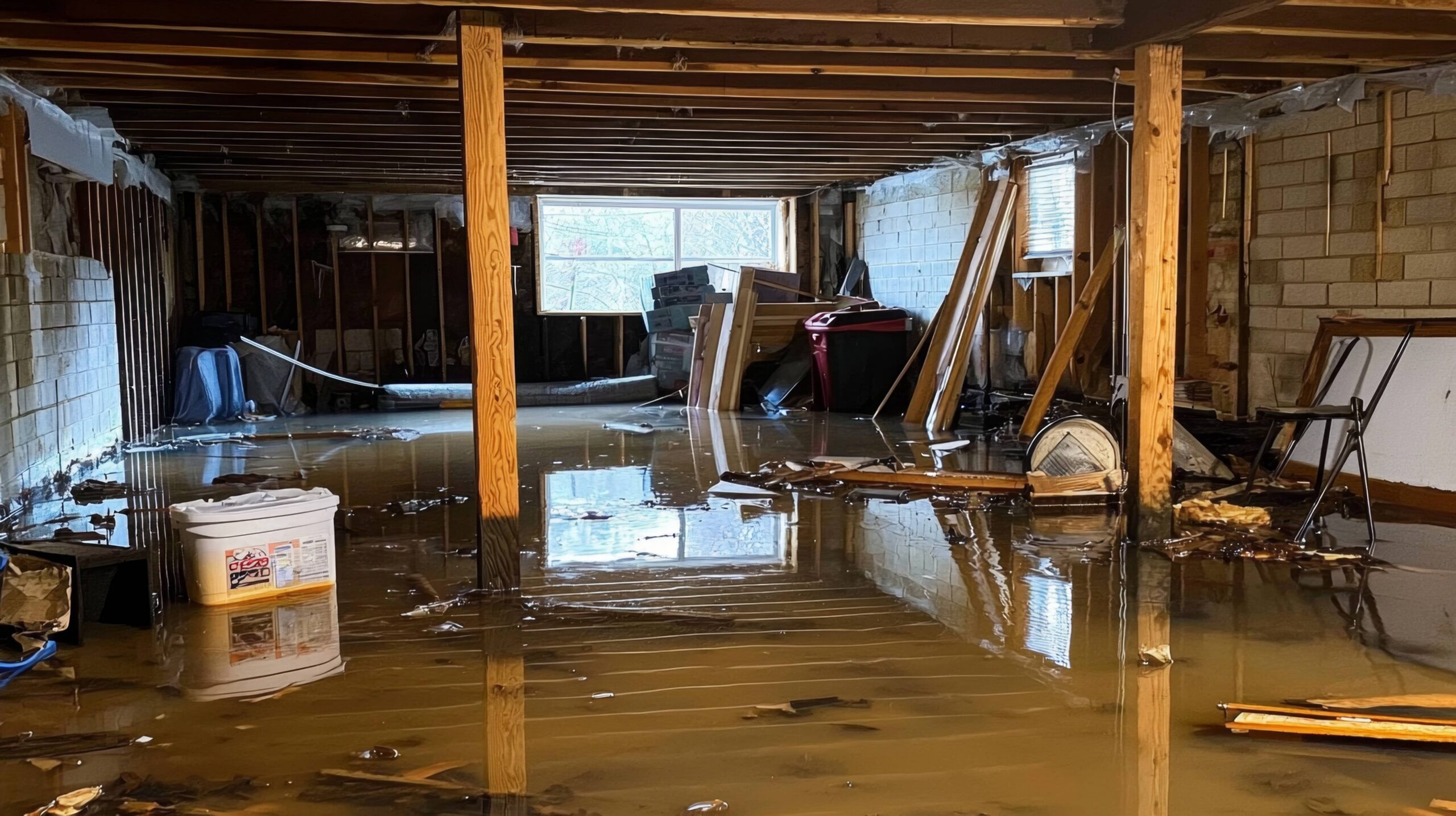
A flooded basement escalates fast. Whether the water came from heavy rain, a sump pump failure, a burst pipe, or groundwater seeping through the foundation, what you do in the first hour matters more than what you do in the first day.
Basement flooding is common across Massachusetts, Rhode Island, and the rest of Southern New England, especially during summer storms and hurricane season rain. Getting to it fast limits water damage to flooring, walls, and stored belongings, helps protect the rest of the house, and keeps things from turning into a full water damage restoration project instead of a routine flooded basement cleanup.
Step 1: Check for Safety Risks Before You Go Down There
Basement floodwater is a safety issue as much as a cleanup one, and it isn't always clean. Skip the basement, at least for now, if:
- There's water near outlets, the electrical panel, appliances, or extension cords
- The water smells like sewage or looks like it came from outside runoff
- Stairs, walls, or the ceiling look unstable
- You can't see the basement floor through the water
If there's any chance the electrical system is affected, shut off the power at the main panel, or have a professional check it before anyone goes in. Wear protective gear like boots and gloves if you do go down, since contaminated water can carry bacteria, and keep kids and pets out of the area until you know what's in the water.
Step 2: Stop the Water If You Safely Can
A basement flood can happen fast, and what you do next depends on where the water's coming from. A sump pump failure, burst pipe, sewage backup, or clogged gutters each call for a different response.
Plumbing leak? Shut off the main water valve. Stormwater coming in through the foundation? Focus on keeping more water out with sandbags or redirected downspouts, and check that basement windows and window wells are sealed before the next storm rolls in. If the basement is filling faster than you can manage, stop and call for help.
Basements from Woburn to the Rhode Island shoreline tend to flood for the same handful of reasons every storm season. It's a pattern we see block by block, not a random occurrence.
Step 3: Document Before You Clean Up
Grab your phone and take photos and video before you start moving things or pumping water out, as long as it's safe to do so. Get the water line on the walls, the affected flooring and stairs, anything visibly damaged, and the suspected source. Hang onto receipts for any emergency repairs, too.
Insurance coverage for basement flooding is inconsistent. A sudden pipe burst is often treated differently than groundwater seepage or a sewer backup, so don't assume anything is covered until you've talked to your carrier.
Step 4: Get the Standing Water Out
Once it's safe, remove standing water as quickly as you can. The longer it sits, the deeper it soaks into concrete, drywall, and other porous materials.
A small amount of clean water might be manageable with a wet vacuum or a sump pump. Anything larger than that usually needs professional water removal equipment to pull moisture out of carpet, wall cavities, baseboards, and finished flooring before it spreads further. A basement can look dry on the surface while the framing behind the wall is still soaked.
Step 5: Pull Out What Can't Be Saved
Drywall, insulation, carpet padding, cardboard, upholstered furniture, and laminate flooring rarely survive prolonged saturation. If something's been wet for more than a day or two, or the water was contaminated, it's usually a lost cause. Plan to replace it rather than try to dry it out. Pulling it out early actually speeds up drying everywhere else.
Step 6: Dry It Out the Right Way
Opening windows and running a box fan won't cut it. Basements naturally hold humidity, and warm, high-humidity air slows drying just as much as standing water does.
Our crews rely on commercial fans, dehumidifiers, and a moisture meter to confirm materials are completely dry throughout, not just on the surface. Running fans alone, without dehumidifiers, rarely finishes the job in a humid basement. Air conditioning, or, in cooler months, the heating system, can help pull excess moisture out of the air while the rest of the equipment works.
Track moisture levels daily and point fans at wet areas until every reading comes back clean. Concrete floors and wall framing can retain moisture long after the surface feels dry, and thermal imaging can detect remaining moisture behind walls that a visual check misses entirely. According to the EPA, drying water-damaged materials within 24 to 48 hours helps prevent mold growth from taking hold.
Watch for Mold and Musty Smells Afterward
Mold doesn't need standing water. Damp materials, high humidity, and stagnant air are enough for mold growth to start. Mold spores need only a damp surface and still air to spread through the house. Keep an eye out for a musty smell, discoloration on drywall or trim, peeling paint, warped flooring, or a stain that comes back after you thought the area had gone dry.
If you spot visible mold, don't disturb it. Total Restoration handles mold remediation when a moisture problem crosses that line, and the same crews who treat it during the drying process also handle mold prevention follow-up.
A Few Things Not to Do
A few habits make a flood cleanup worse instead of better:
- Don't paint over a stain before the area's confirmed dry
- Don't run a household vacuum on standing water
- Don't assume a concrete floor means there's no moisture problem underneath it: concrete holds and releases moisture more than most people expect
- Don't use harsh cleaning products on wet drywall or wood trim; they can trap moisture instead of removing it
- Don't leave waterlogged items or furniture sitting in place while you figure out next steps
That last one is the single habit most likely to turn a one-day drying job into a weeks-long mold problem.
When to Call a Professional
Call a restoration specialist if water covers a large area, reaches finished walls or electrical systems, comes from sewage or outside flooding, or has been sitting for more than a few hours. Most people don't realize how quickly a small leak can turn into structural repair work, so it's worth calling contractors if you're unsure. The same goes for a basement that needs cleanup in the same space every storm season, or one that still smells musty days after you thought it was fully dry.
Schedule Flooded Basement Cleanup With Total Restoration
Removing water is only half the job. Total Restoration provides 24/7 flooded basement cleanup and water damage response across Greater Boston, Woburn, Rhode Island, and Southern Massachusetts. Our equipment, drying methods, and restoration know-how work effectively on everything from a small basement leak to storm debris and a pool of standing water after severe weather. If your basement is flooded right now or still smells damp after you've cleaned it up, contact Total Restoration, and we'll get someone out to you.
In Search Of A Carpet Cleaning Company In Greater Boston or Rhode Island? Contact Total Restoration Today!
Do you need a reliable and professional company to help you clean your business’s carpet? Total Restoration is here for you! We offer top-quality, environmentally friendly commercial carpet cleaning services that will leave your space looking and feeling fresh. For more information or to schedule a cleaning, please get in touch with Total Restoration today:
RI & Southern MA
Call: (401) 767‑7262Boston & North Shore
Call: (781) 935‑4455FAQs
How fast should a flooded basement get cleaned up?
As soon as it's safe to go down there. Every extra hour water sits is more time for it to work into concrete, drywall, and anything stored on the floor.
Can I handle flooded basement cleanup myself?
A small amount of clean water, with no safety hazards, is often manageable on your own. Contaminated water, wet drywall, or a basement that's been flooded for a while usually calls for professional help.
Does homeowners' insurance cover basement flooding?
It depends on the cause. Sudden plumbing failures, groundwater, and sewer backups are often treated differently under the same policy, so check with your provider before assuming anything.