
 Call your local pro today!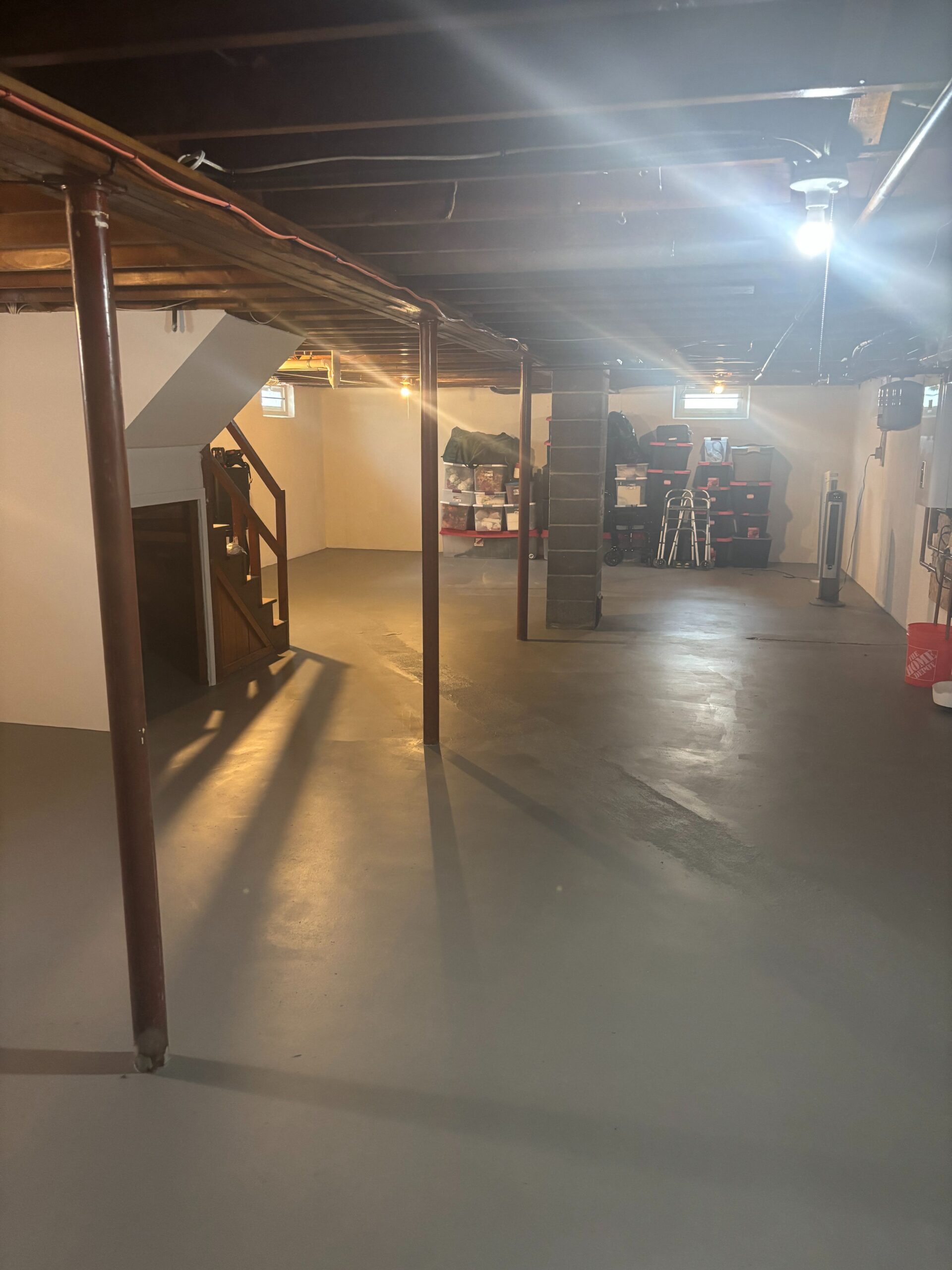
That lingering smell after a leak or flood is more than a nuisance—it’s usually a sign that hidden moisture is still present somewhere in your home. When water damage isn't fully dried, water damage odors from mold, mildew, and bacteria can settle into drywall, carpet, and insulation within a few days. For homeowners across Massachusetts, Rhode Island, and greater New England, that musty smell is often the first sign that hidden water damage needs to be addressed. Total Restoration provides rapid-response water damage cleanup services designed to remove the moisture behind the odor—not just mask it.
The good news is that a musty odor is a problem you can act on. Understanding water damage odor causes—and where they tend to hide—helps you respond early, protect your home, and avoid a larger restoration project down the road.
Key Takeaways
- A musty or mildew smell after water damage usually means moisture trapped in your home.
- The odor comes from mold, mildew, and bacteria feeding on damp materials like drywall, wood, and carpet padding.
- Basements, crawl spaces, and wall cavities are common sources of a musty smell in the house.
- Air fresheners and surface cleaners may temporarily mask the smell, but they don't remove the moisture that's causing it.
- Persistent or worsening water damage odors are a strong reason to have your home professionally inspected and dried.
Why Water Damage Creates a Musty Smell
When building materials in your home stay damp, they create the ideal environment for mold growth. Mold and mildew spores are always present in the air, and once they land on a wet surface and begin to grow, they release volatile organic compounds (MVOCs)—gases that produce that distinctive musty, earthy odor. This is why a water damage smell often appears a day or two after the original leak—by then, growth has already begun.
Porous materials are especially prone to holding lingering odors. Drywall, insulation, carpet padding, and wood hold moisture quickly and dry slowly, so they can keep feeding mold and bacteria long after visible water is gone. Even when a room looks and feels dry on the surface, a lingering smell can signal that hidden moisture remains deeper in the structure.
What That Musty or Mildew Smell Is Telling You
A musty odor in the home is rarely random. In most cases, it points to one of three issues working together.
Mold and Mildew
The most common cause of a mold smell in the house is active mold or mildew growth on damp materials. According to the EPA's guidance on mold and moisture, controlling moisture is the key to controlling mold, which is why odor and dampness so often go hand in hand. If you can smell mold but can't see it, mold growth is likely hidden behind walls, under flooring, or inside your HVAC systems. In those situations, professional mold remediation is the safest way to address both the growth and its source.
Bacteria and Trapped Water
Standing or contaminated water can introduce bacteria that produce foul or sour odors, distinct from the typical musty mold smell. This is more common after sewage backups, appliance failures, or flooding that sat for more than a day. These situations call for careful cleanup rather than DIY drying.
Hidden Moisture
Sometimes the smell is the only symptom. Trapped moisture behind walls, beneath subflooring, or inside insulation can linger for weeks without obvious staining. Learning to recognize the signs of hidden water damage—soft spots, warped trim, peeling paint, and recurring lingering odors—helps you catch a problem before it spreads.
Where Water Damage Odors Tend to Hide
If you're wondering why your house smells musty, the source is often in enclosed spaces that dry the slowest and get the least air circulation. Common trouble spots include:
- Basements, where humidity collects and water seeps in along foundations
- Crawl spaces, which trap moisture and are rarely inspected
- Wall cavities and under flooring, where leaks travel out of sight
- HVAC systems and ductwork, which can circulate odor molecules throughout the home
- Plumbing fixtures and laundry areas, where slow leaks go unnoticed
In New England homes, basements and crawl spaces are especially prone to musty smells due to older construction, seasonal humidity, and frequent storm and snowmelt activity. A basement that smells musty after heavy rain or a thaw is worth investigating sooner rather than later.
Is a Musty Smell Dangerous?
For many people, a musty smell is mostly an unpleasant sign of dampness. That said, ongoing exposure to airborne mold spores and indoor moisture may contribute to allergic reactions, congestion, or irritation—and those with weakened immune systems, children, older adults, and people with respiratory conditions can be more affected. Because reactions differ from person to person, you should confirm any health risks with a medical professional.
What's clear is that a persistent odor means the underlying moisture problem hasn't been solved. Addressing it early protects both your home's structure and its indoor air quality.
How to Get Rid of a Musty Smell After Water Damage
Removing a water damage odor for good means removing the moisture and the contaminated materials that cause it. These steps help:
- Find and stop the moisture source: Check for active leaks, condensation, or seepage before doing anything else. Odor control won't last if water is still getting in.
- Increase airflow and lower humidity: Open windows when the weather allows, and run fans and a dehumidifier to lower moisture levels. Poor ventilation significantly slows the drying process.
- Dry affected areas thoroughly: Surface drying isn't enough—carpet padding, drywall, and insulation need proper drying throughout. High-velocity air movers and commercial dehumidifiers significantly speed up the process.
- Clean hard surfaces: Wipe down non-porous materials with warm water and appropriate cleaners. A vinegar solution or baking soda can help neutralize stubborn odors on surfaces before rinsing. Avoid relying on air fresheners that only mask the smell.
- Remove materials that can't be saved: Saturated drywall, padding, and insulation often need to be removed rather than dried, especially if mold growth has set in. A steam cleaner used on hard surfaces may help, but porous materials that cover more than a few square feet typically require professional removal.
If the smell keeps returning after these steps, it usually means hidden moisture or growth is still present somewhere you can't easily reach.
When to Call a Professional
It's time to bring in a restoration team when odor persists despite drying, when you suspect mold behind walls or in your HVAC systems, or when the water involved was contaminated. Professionals use moisture meters, thermal imaging, and HEPA air filtration to locate hidden dampness and treat the source—not just the symptom. HEPA air scrubbers and ozone treatment can also eliminate odor molecules that linger in affected areas even after damp materials are removed.
As an IICRC-certified, locally owned company with more than 40 years of restoration experience, Total Restoration combines a technology-forward approach with the white-glove care homeowners deserve during a stressful time. That means thorough drying, precise moisture detection, and clear communication from start to finish.
Clear the Source of the Smell Before It Spreads
A musty smell after water damage is your home's way of telling you moisture remains—and the sooner you act, the easier it is to resolve. Stopping the source, drying affected areas, and removing damaged materials protects your home from mold growth and long-term structural problems. If a water damage odor in your home won't go away, contact Total Restoration for 24/7 emergency response and professional water damage and mold services across Massachusetts, Rhode Island, and greater New England.
Dealing With Water Damage or Mold in Greater Boston or Rhode Island? Contact Total Restoration Today!
Water damage and mold don't wait, and neither should you. Total Restoration provides rapid-response water damage restoration and mold remediation for homes and businesses, backed by advanced moisture detection, thermal imaging, and a white-glove approach to complete recovery. Available 24/7, our IICRC-certified team is ready to help the moment you need us. For emergency service or to schedule an inspection, contact Total Restoration today:
RI & Southern MA
Call: (401) 767‑7262Boston & North Shore
Call: (781) 935‑4455Water Damage Odor FAQs
Why does my house smell musty after a leak?
A musty smell typically indicates moisture trapped in materials like drywall, carpet, or insulation, which can allow mold and mildew to grow. Even after surfaces appear dry, hidden dampness can continue to produce lingering odors until the source is fully addressed.
Why does my basement smell musty?
Basements collect humidity and are prone to seepage along foundations, especially in older New England homes. A musty basement smell often points to high moisture content, a slow leak, or past flooding that wasn't completely dry.
Will air fresheners get rid of a water damage smell?
No. Air fresheners and candles only mask the odor temporarily. Because the smell comes from moisture and microbial growth, it returns until the dampness is removed and affected areas are dried or replaced.
Does a musty smell always mean mold?
Not always, but it's a clear warning sign. A musty odor usually indicates damp conditions where mold growth can occur, so it's worth inspecting and having a professional evaluate the area if the smell persists or you can't find the source.