
 Call your local pro today!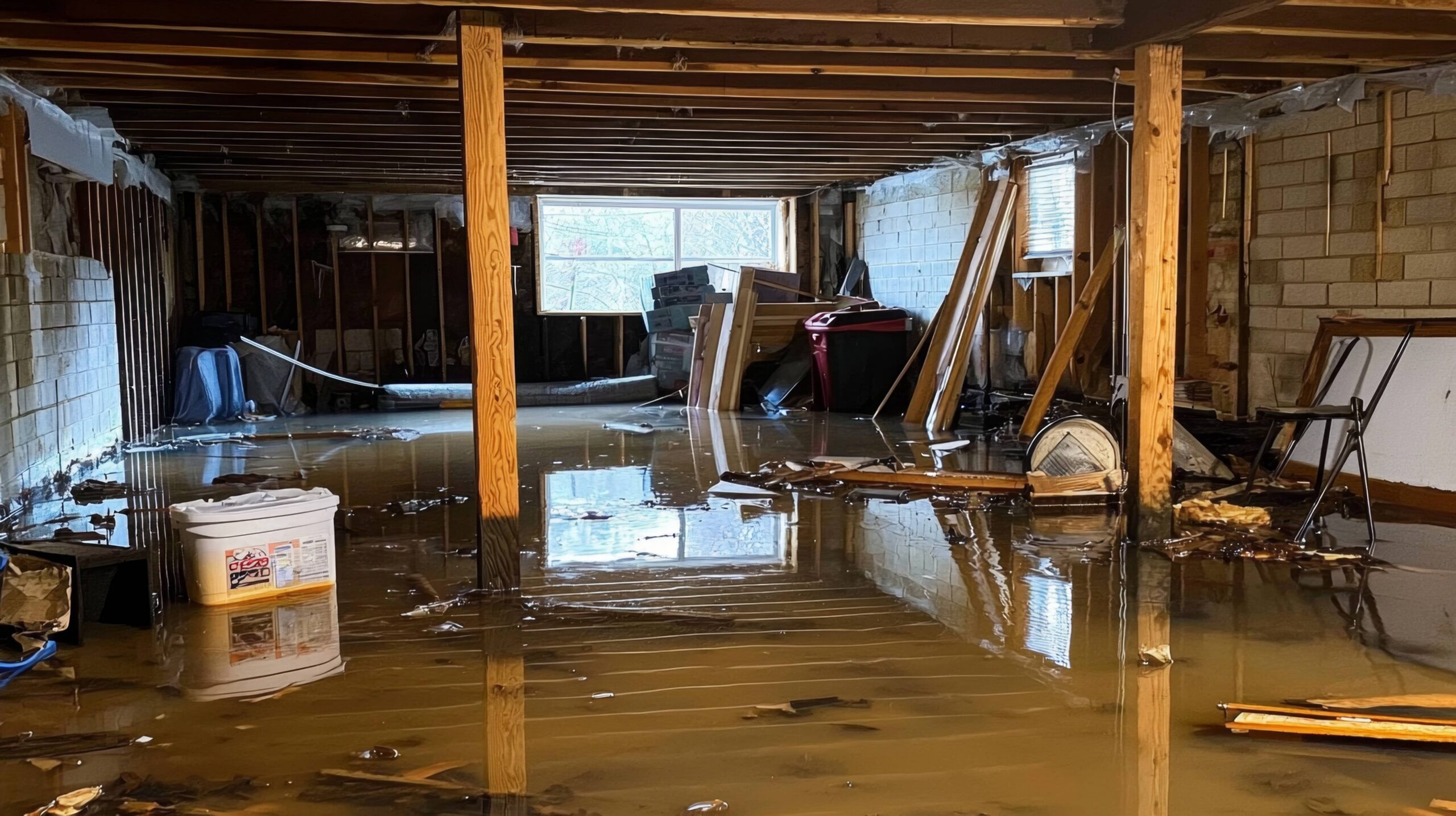
For many homeowners, basement flooding in New England is not a matter of if, but when. From heavy rains in spring to melting snow and aging foundation structures, homes across Massachusetts, Rhode Island, and the Greater Boston region face recurring seasonal water problems.
Understanding why basement flooding happens—and the steps you can take to prevent it—can help protect your home, reduce costly repair needs, and keep your basement dry throughout the year.
Why Basements Flood in New England
Several regional conditions make New England homes especially vulnerable to flooding.
First, the region experiences frequent coastal storms, Nor’easters, and periods of intense rainfall. During spring, melting snow combined with rain can saturate the ground, quickly overwhelming drainage systems around the house.
Second, frozen ground during winter prevents proper drainage. When temperatures rise, meltwater has nowhere to go, increasing the risk of water pooling around the home's foundation and causing flooding.
Another factor is the naturally high water table found across parts of MA and Rhode Island. These high water tables allow groundwater to rise during major weather events and push moisture through cracks in concrete floors or along the wall surfaces of older basements.
Finally, many homes across New England were built decades ago—before modern waterproofing systems became standard—making them more likely to develop recurring basement leaks over time.
Common Causes of a Flooded Basement
Several issues can lead to a flooded basement in Massachusetts and surrounding communities.
Groundwater Seepage
When the water table rises after extended rainfall, groundwater can enter through basement walls or floors. Saturated soil increases the pressure around the foundation, allowing water to enter.
Stormwater and Surface Runoff
Blocked storm drains, clogged gutters, or poor yard grading can allow rain to collect near the home. Over time, this pooling water can leak into the basement.
Sewer System Backup
Major storms may overwhelm the municipal sewer system. When this happens, wastewater can reverse direction and enter lower levels of the house, creating serious cleanup and damage concerns.
Plumbing Failures
Burst pipes, failing appliances, or a malfunctioning pump can quickly and unexpectedly introduce water into the basement—especially during colder winter months, when freezing temperatures place extra stress on plumbing.
Why a Sump Pump Is Critical in New England Homes
Installing a reliable sump pump is one of the most effective ways to reduce the risk of basement flooding.
A sump pump collects groundwater beneath your basement floor and redirects it away from the home's foundation. In areas like northern Massachusetts, Woburn, and surrounding communities where high water tables are common, a properly functioning sump system can make the difference between a dry space and recurring water intrusion.
Many homeowners install a sump pump after experiencing a problem, but installing one early can help prevent future water damage.
Best practices include:
- Installing a primary sump pump in the lowest area of the basement
- Adding a backup pump in case outages occur during severe storms
- Testing the system before peak spring and fall storm seasons
Steps to Take After Basement Flooding
If basement flooding does happen, acting quickly helps reduce long-term damage and cleanup costs.
- Remove standing water immediately using a wet vac or pump
- Move belongings off the ground to prevent additional exposure
- Use fans and dehumidifiers to dry the area thoroughly
- Clean floors and walls to reduce the risk of mold and mildew
Leaving a wet basement untreated for too long can lead to structural concerns and indoor air quality issues that are more expensive to deal with later.
Preventing Future Basement Flooding
There are several practical steps homeowners across New England can take to help keep their basements dry long-term:
- Keep gutters and storm drains clear
- Extend downspouts away from the foundation
- Adjust yard grading so rainfall flows away from the house
- Install drains where water collects near the structure
- Maintain and test your sump pump regularly
In some cases, landscaping solutions like rain gardens can absorb excess water, reducing pressure on surrounding soil and lowering the risk of recurring flooding.
How Total Restoration Supports Homeowners After Basement Flooding
When basement flooding happens, a fast and organized response can make a major difference in limiting long-term damage and protecting your home's foundation.
Total Restoration works with homeowners across Woburn, northern Massachusetts, Greater Boston, and Rhode Island to address flooded basement conditions using a structured recovery approach that focuses on both immediate cleanup and long-term prevention.
Our team helps:
- Remove standing water and dry affected areas quickly
- Identify hidden moisture inside walls and concrete surfaces
- Reduce the risk of mold and mildew growth
- Evaluate drainage concerns around the foundation
- Recommend improvements, such as sump pump upgrades, when needed
Because many New England homes experience recurring seasonal water problems, addressing the root cause—not just the visible symptoms—can help reduce the risk of future basement flooding.
Schedule a Basement Flooding Inspection Before the Next Storm Season
Across Massachusetts, Rhode Island, and the surrounding New England region, heavier rainfall, melting snow, and aging drainage systems continue to increase the risk of basement flooding each year.
If you’ve noticed damp walls, musty odors, or pooling water, or have had past flooding in your basement, scheduling an inspection now can help determine the right preventive solution before the next major storm.
Total Restoration provides professional assessments and cleanup support designed to help homeowners keep their basements dry, protect their homes, and reduce the likelihood of future structural damage. Contact us for a professional inspection to prevent future damage.