
 Call your local pro today!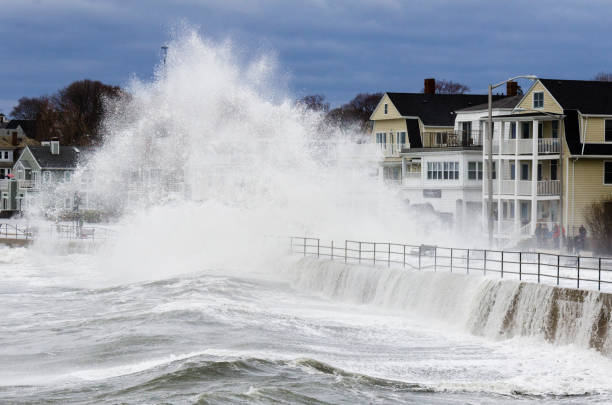
Rapid Response. Trusted Service. Total Recovery.
Storm flooding preparation in New England requires clear guidance, steady decision-making, and modern protection strategies. Our region faces unpredictable coastal storms, periods of heavy rainfall, and sudden storm surges that can push water onto land that is normally dry. These conditions can disrupt homes, businesses, and daily operations, especially in communities built near rivers, harbors, or any low-lying area.
With more than 40 years of experience supporting Massachusetts, Rhode Island, Cape Cod, and the Boston Seaport, Total Restoration provides practical steps that help you protect loved ones, safeguard property, and strengthen flood preparedness. This guide walks you through what to do before, during, and after severe weather.
Understand Your Flood Risk in New England
A flood occurs when rising waters, temporary overflow, or storm conditions push water onto land unexpectedly. In New England, these events can develop slowly over several days or strike without warning. Common causes include:
- Flash floods triggered by excessive rainfall
- Storm surges during powerful coastal storms
- Levee failures and dam breaks
- Overloaded storm drains
- Fast-moving floodwater carrying dangerous debris, mud, and contaminants
To stay informed, monitor:
- Flood watch alerts
- Flood warning notifications
- NOAA weather radio updates
- Guidance from local officials and local authorities
Understanding your flood risk is the foundation of effective planning. It helps you anticipate how water may behave in your area and which flood safety steps matter most for your home or business.
1. Create a Practical, Family-Ready Evacuation Plan
A well-structured evacuation plan helps family members, employees, and tenants act quickly when storms intensify. Clear communication and preparation reduce confusion, especially in areas vulnerable to flood conditions.
Your plan should outline:
- Evacuation routes: Choose multiple paths in case flooded roads or blocked areas limit access. Prioritize routes that lead to higher ground.
- A designated meeting point: Select a safe location away from flooded areas, ideally on elevated terrain where loved ones can regroup.
- Emergency contacts: Include neighbors, coworkers, and out-of-state relatives to maintain communication if local networks fail.
- Support for pets and service animals: Keep food, leashes, comfort items, and medical records in waterproof bags for quick transport.
- A communication strategy: Assign one person to monitor emergency alerts, local radio, and updates from emergency officials.
Review and update all emergency plans before hurricane season and again before winter to keep everyone aligned and ready.
2. Build a Realistic, Storm-Ready Emergency Kit
A well-stocked emergency kit—or aid kit—provides essential supplies when severe weather disrupts access to stores, safe roads, or clean utilities. New England storms can contaminate drinking water, limit travel, and cause extended power outages, making preparation especially important.
Include the following:
- First aid kit
- Bottled water (at least three days per person)
- Non-perishable food
- Flashlights and extra batteries
- Copies of important documents
- Required prescriptions and medical items
- A battery-powered radio
- Protective masks to help limit exposure to post-flood mold growth
Store your emergency supplies on shelves or elevated areas away from wet areas, and refresh items every season to keep your kit ready when you need it most.
The 5 P’s of Disaster Preparedness
The 5 P’s offer a simple, memorable way to organize key items and responsibilities before any severe weather event:
- People: Prioritize the safety of loved ones, employees, and anyone in your care.
- Pets: Prepare food, comfort items, leashes, carriers, and supplies for animals and service animals.
- Prescriptions: Keep medication, health essentials, and medical records packed and ready.
- Papers: Store important documents in waterproof containers for quick access.
- Personal Needs: Include clothing, hygiene items, a clean water supply, and basic comforts.
These categories simplify decision-making and ensure all essentials are included as storms approach.
3. Prepare Your Home or Business Before the Storm Hits
Taking extra precautions before severe weather arrives can significantly reduce water damage and improve safety. Many of these steps also help cover flooding risks long before water reaches your property.
Key preparation actions include:
- Safeguard electrical equipment: Never touch electrical equipment in wet areas. When possible, elevate outlets, panels, and machinery above potential water levels.
- Protect HVAC systems and plumbing: Elevate or shield systems to prevent damage from rising waters and debris.
- Clear storm drains: Remove leaves, branches, and buildup to help water flow properly and reduce backups that contribute to localized flooding.
- Seal basement walls: Use waterproofing materials to limit seepage during natural disaster events or periods of intense rainfall.
- Move valuables off the floor: Elevate inventory, electronics, documents, and equipment on shelves or pallets to keep them above potential floodwaters.
- Review your flood insurance: Standard homeowners’ insurance does not typically cover flood-related losses. Confirm details for both building and contents coverage.
These steps create meaningful barriers against water intrusion and give your home or business a stronger chance of withstanding unpredictable storm conditions.
What to Do During a Flood or Storm Event
When a storm intensifies and conditions worsen, personal safety comes first. These flood safety steps help reduce risk when water begins to rise or when travel becomes hazardous.
- Move to higher ground: If authorities advise or conditions worsen, relocate immediately to safer elevated areas.
- Never walk, swim, or drive through floodwaters: Even shallow water can be dangerous.
- Just six inches of moving water can knock an adult off their feet.
- One foot of water can move a small car.
- Two feet can carry away larger vehicles.
- Avoid flooded areas, standing water, and flooded roads at all times.
- Watch for fallen power lines and downed power lines: Stay clear of electrical hazards, damaged buildings, and unstable structures. Report hazards to officials when possible.
- Monitor emergency alerts: Use radios if cell service becomes unreliable. Keeping an NOAA weather radio on hand ensures access to real-time updates.
Protect yourself, your employees, and your loved ones above all else—this is the most important priority during any storm-related event.
Evacuation: When to Leave and How to Do It Safely
When officials issue an evacuation order, timing matters. Acting early reduces the risk of encountering flooded roads, standing water, or dangerous debris that may block access.
If instructed to leave immediately:
- Follow marked evacuation routes only: Avoid shortcuts—roads may be closed or unsafe due to other debris, erosion, or water damage.
- Bring essential emergency supplies: Pack medication, important documents, and your prepared supplies to support safe travel.
- Guide children, elderly relatives, pets, and service animals carefully: Keep everyone close and accounted for during the transition.
- Tell loved ones where you are going: Share your destination and travel route so others know you are safe.
Staying calm, organized, and aware of surrounding conditions helps you navigate an evacuation with greater confidence and safety.
Returning Home or Reentering Your Business Safely
After a storm, wait for local officials to confirm that conditions are safe before returning. Even after floodwaters have receded, water can conceal hazards and weaken structures.
Before entering:
- Check for structural damage: Look for cracks, shifted foundations, or compromised framing.
- Switch off the main power switch: Do this only if you can access it without stepping into wet areas or touching damp surfaces.
- Use caution around outlets and appliances: Avoid any area affected by water intrusion.
- Watch for other debris, contaminants, and unstable materials: Flooding often brings mud, sharp objects, and remnants from damaged buildings.
- Document all flood damage: Take photos and videos for your insurer, including damaged belongings and building materials.
- Remove wet materials promptly: Items such as carpets, drywall, and insulation should be removed swiftly to reduce the risk of mold growth, which can begin within 24–48 hours.
Once you address the immediate hazards, you can initiate cleanup or coordinate professional flood response as necessary.
Brief Note on Flood Insurance
Understanding your flood insurance coverage can support long-term recovery. Standard homeowners’ insurance usually does not cover losses from flooding, including damage from coastal storms, storm surges, or temporary overflow. Reviewing your policy before storm season helps clarify what’s protected and what may require additional coverage.
The 5 Steps of Preparedness
These core steps provide a clear, dependable roadmap for approaching flood preparedness from start to finish:
- Assess risk: Understand how rising waters, flooded areas, and regional weather patterns may impact your home or business.
- Plan: Create your evacuation plan, designate meeting points, and identify safe evacuation routes.
- Prepare supplies: Build an emergency kit with essential items, documents, and emergency supplies.
- Practice: Review emergency plans with family members, employees, and caretakers to ensure everyone understands their role.
- Respond + recover: Follow official guidance during storms, avoid flooded roads and dangerous conditions, and document flood damage during cleanup and recovery.
This five-step framework ties together the most important actions and helps keep preparedness simple, organized, and manageable.
When You Need Support, Total Restoration Is Here to Help
Storm recovery can feel overwhelming, especially when facing flood damage, lingering wet materials, or concerns about hidden structural damage. When you’re unsure what to do next or need help assessing conditions, Total Restoration provides clear guidance and steady support grounded in decades of experience across Massachusetts, Rhode Island, Cape Cod, and the Boston Seaport.
Our team combines modern tools, transparent communication, and a true white-glove approach to help homeowners and businesses move from uncertainty to stability. From evaluating moisture levels to coordinating flood response, we’re here to make the next steps manageable and safe. Contact us today.