
 Call your local pro today!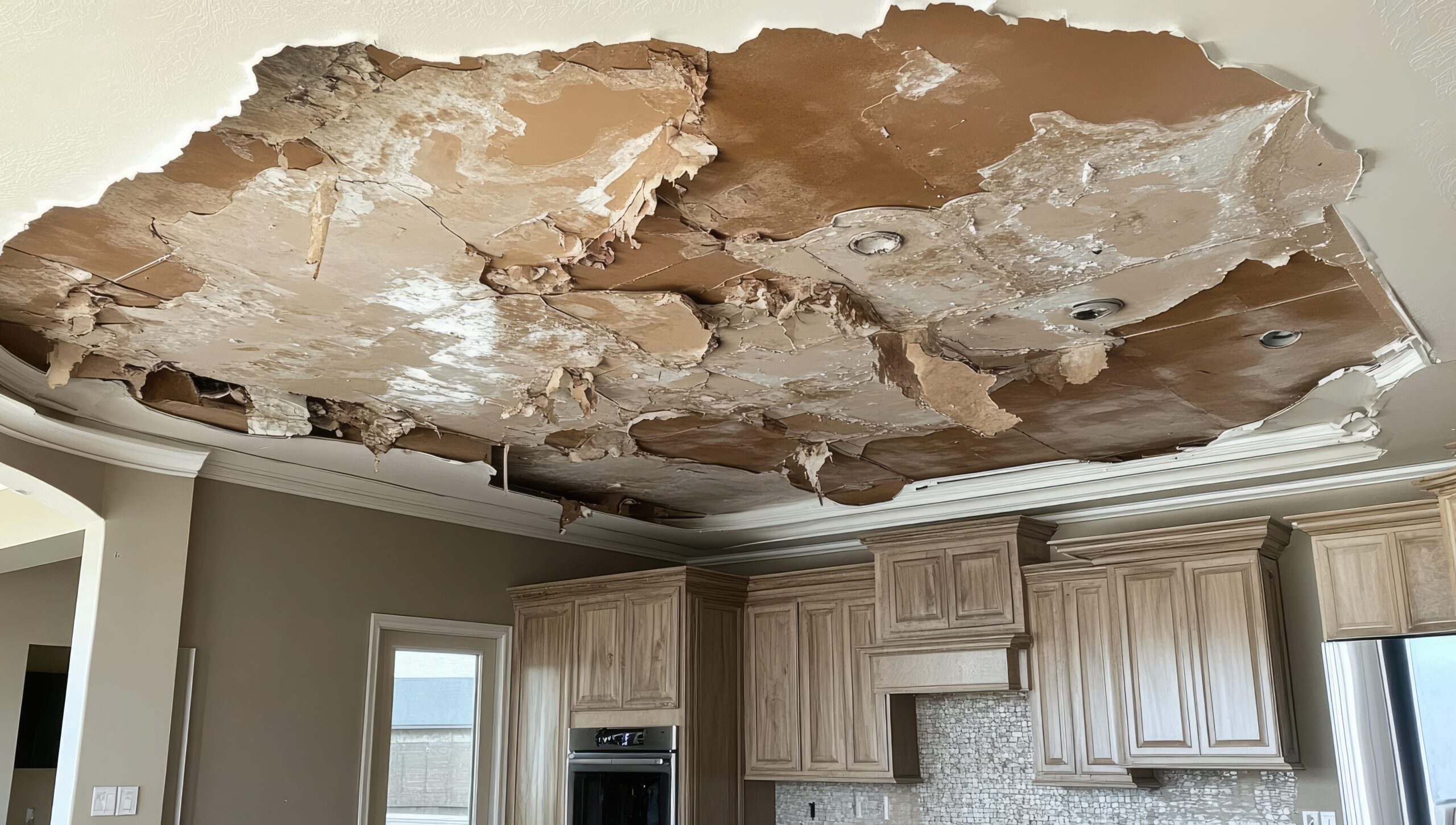
When a burst pipe happens, every minute matters. In regions with cold winters and many older homes—especially throughout New England—issues such as frozen pipes, aging plumbing, and sudden changes in water pressure are common causes of burst water pipes. When this happens, water can spread quickly and cause serious water damage if not addressed promptly. Knowing what to do when a burst pipe occurs helps you take immediate action, shut off the water, and minimize water damage to your home.
This guide explains what to do when a pipe bursts, how to stay safe around electrical hazards, and when to call a professional to prevent further damage to your house.
Why Burst Pipes Are So Serious
A burst pipe can quickly become a major problem. When water continues to flow unchecked, it can spread through floors, walls, and ceilings in minutes, creating standing water and increasing the risk of long-term damage. Moisture that seeps into hidden areas can cause structural issues and create conditions for mold growth.
In homes with basements, crawl spaces, or older plumbing systems, water damage can go unnoticed at first—allowing problems to worsen even after the initial leak stops. The longer water remains, the more likely it is to cause extensive damage and require a more involved restoration process.
Immediate Response: What to Do When a Pipe Bursts
1. Shut Off the Water Immediately
The first step is to stop the water flow. Locate your home’s main shut-off valve and turn it to the shut position. This is usually near the water main, water heater, basement, or utility area. If you can’t access the valve or it won’t turn, you may need immediate help from a professional plumber.
2. Address Electrical Safety
If water is near outlets, appliances, or the electrical panel, turn off power to the affected area at the breaker box. Never step into a flooded area if electricity is still on, as water and electricity together create serious hazards.
3. Remove Standing Water
Once the water and electricity are safely off, focus on cleanup. Use towels, mops, or a wet/dry vacuum to remove standing water and reduce the chance of further damage. Pay close attention to low areas where water can collect.
4. Protect Valuable Items
Move furniture, electronics, and other valuable items out of the affected space. If items are too heavy to move, elevate them to limit water exposure and reduce damage.
Identify the Source of the Burst Pipe
Once the immediate risk is under control, identify the root cause. Look for a visible pipe, a broken pipe, or an area where water is still dripping or pooled. Common places to check include basements, crawl spaces, under sinks, behind appliances, and along exterior walls, where exposed pipes are more vulnerable.
If the damaged section isn’t easy to see, there may be moisture trapped behind walls or beneath flooring. Avoid temporary fixes that could worsen the issue or delay proper repair. In many cases, identifying the source is best left to a professional plumber who can assess the full condition of the plumbing system.
Documenting Damage for the Insurance Process
Before cleanup or drying changes the condition of your home, take time to document the damage. Clear records help support your insurance claim and reduce delays during the insurance process.
- Photograph the flooded area, including walls, floors, and ceilings
- Capture images of the damaged pipe and any visible moisture
- Keep records of emergency repairs and cleanup expenses
- Contact your insurance company as soon as possible
Thorough documentation helps demonstrate the extent of the water damage and supports coverage under many homeowners' policies.
Preventing Additional Damage After a Pipe Burst
Once documentation is complete, focus on drying the affected areas to limit long-term issues. Moisture left behind can lead to mold growth and additional damage if not addressed.
- Increase airflow with fans and dehumidifiers once electricity is safe
- Open windows if the weather allows
- Avoid using outlets or appliances exposed to water
- Wait to reinstall flooring or baseboards until materials are fully dry
These steps help mitigate damage and reduce the risk of future repairs.
When to Call a Professional
Some pipe bursts require more than a basic cleanup. You should call a professional if water has soaked into walls, floors, or ceilings, if there’s standing water that won’t drain, or if you suspect moisture is trapped in hidden areas. These situations can quickly lead to mold growth and additional damage if not handled correctly.
Professional help is also important when the scope of water damage exceeds what household tools can handle. A qualified restoration team can address the source of the problem, begin the cleanup process, and guide you through the next steps of the restoration process.
Take Action Quickly to Limit Damage and Protect Your Home
A burst pipe can escalate fast, but informed, timely action can significantly reduce the impact. Shutting off the water supply, documenting damage early, and addressing moisture issues promptly help minimize water damage and protect your home from long-term issues such as mold and structural deterioration.
If you’re dealing with a pipe burst or signs of hidden water damage, working with experienced professionals can help ensure the problem is handled safely and thoroughly. Total Restoration supports homeowners throughout New England with a thoughtful, detail-focused approach to water damage cleanup and the full restoration process—helping you move forward with clarity and confidence.
If water damage is affecting your home, reach out to Total Restoration to discuss next steps and get expert guidance before further damage sets in.
Frequently Asked Questions About Burst Pipes
Should I shut off the water after a pipe bursts?
Yes. Shutting off the main water supply immediately is the most important step to stop water flow and limit damage.
How quickly can a burst pipe cause damage?
Very quickly. A burst water pipe can discharge gallons of water per minute, resulting in standing water, soaked materials, and damage within minutes.
Are burst pipes typically covered by insurance?
Many policies cover sudden and accidental pipe bursts, though coverage varies. Documenting damage and contacting your insurance company promptly helps support the insurance claim.
Can I clean up water damage myself?
Minor water cleanup may be manageable, but hidden moisture behind walls or floors often requires professional equipment to fully dry and prevent mold growth.
What causes pipes to burst most often?
Common causes include frozen pipes, aging plumbing, corrosion, and sudden changes in water pressure, especially in unheated or exposed areas.