
 Call your local pro today!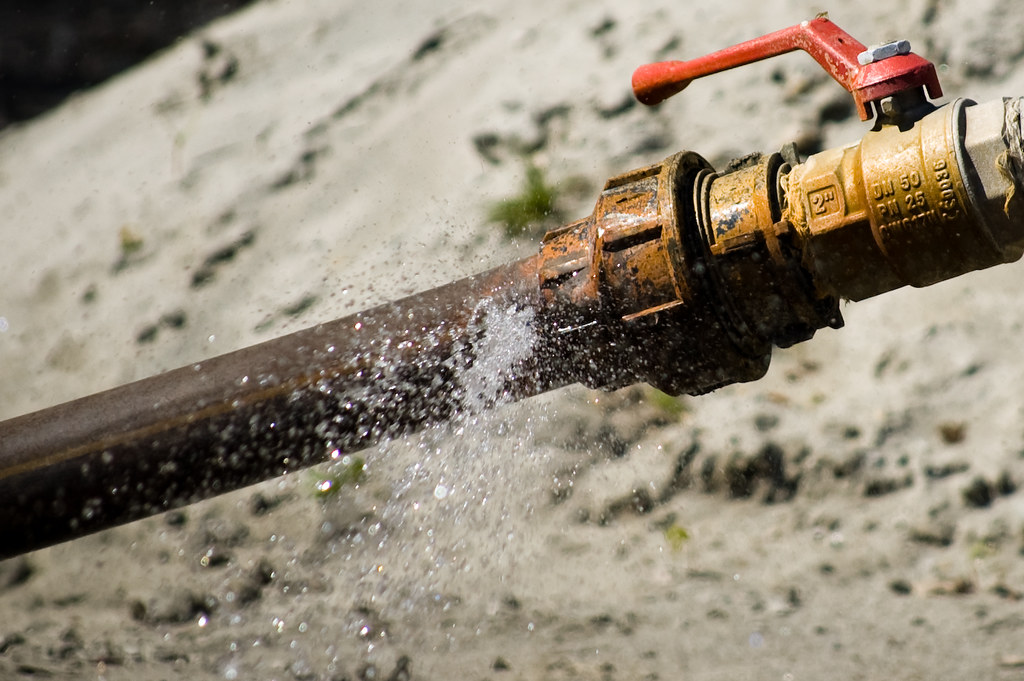
This frozen pipes prevention guide walks New England homeowners and businesses through the most effective ways to protect plumbing during winter. When temperatures fall, water in your pipes can begin to freeze and expand, especially in areas that don’t get much heat, such as exterior walls, crawl spaces, basements, and attics. A frozen section can either slow down or completely stop the flow of water, and once it thaws, even a small crack can cause significant water damage.
At Total Restoration, we regularly help property owners recover from issues caused by frozen pipes, and we’ve seen how preventable many of these emergencies can be with the right preparation. In this guide, you’ll learn how to reduce your risk, recognize early warning signs, safely thaw frozen pipes, and understand when it’s time to call a licensed plumber or restoration specialist. Whether you're caring for a home or managing a commercial building, these steps help you stay ahead of winter’s most common cold-weather challenges.
Tip #1: Know Which Areas Are Most at Risk
Some parts of a home or commercial building are much more likely to develop frozen pipes during extended cold weather. These locations tend to stay colder, have little or no insulation, or allow cold air to flow in through gaps and air leaks.
Common at-risk areas include:
- Exposed pipes in garages, basements, workshops, or mechanical rooms
- Plumbing routed along exterior walls
- Crawl spaces, attics, and other unheated areas
- Older additions or renovations where water supply lines weren’t insulated well
- Swimming pool supply lines, outdoor faucets, and other exterior plumbing
- Pipes running behind bathroom cabinets, especially on outside walls
Anywhere the temperature drops faster than the rest of the building, the chances of a pipe freezing increase. Identifying these spots now makes it much easier to protect them before temperatures fall.
Tip #2: Insulate Pipes and Strengthen Cold-Weather Protection
Insulation is one of the most effective ways to keep vulnerable plumbing from freezing. Adding pipe insulation to exposed pipes—especially those running through unheated areas—helps maintain higher temperatures inside the line and reduces the risk of ice forming. Materials such as foam sleeves, heat tape, or a heat cable can provide extra protection in locations that experience frequent cold drafts.
For older homes or additions with little or no insulation, consider wrapping pipes in areas like basements, garages, and crawl spaces. Even minor improvements can make a noticeable difference when temperatures drop.
Protecting these spots early helps keep your plumbing more stable during severe cold spells.
Tip #3: Keep Warm Air Circulating to Vulnerable Areas
Allowing warm air to reach colder sections of your plumbing helps prevent pipes from freezing during sudden temperature drops. Opening bathroom cabinet doors or kitchen cabinet doors lets warmer air circulate around plumbing that sits against exterior walls, where cold pockets tend to form.
If your building has a garage with plumbing nearby, keep the garage doors closed during cold spells to prevent cold water pipes from being exposed to outdoor air. Small airflow adjustments like these help maintain more consistent temperatures, especially in older homes or buildings with unheated interior spaces.
Tip #4: Maintain Consistent Indoor Heat During Severe Cold
Keeping your indoor temperature stable is one of the simplest ways to prevent frozen pipes. During periods of severe cold, avoid lowering the thermostat overnight or when you leave the building—sudden drops can cause water inside vulnerable lines to freeze.
Set your thermostat to maintain the same temperature throughout the day and night. Even a small difference helps keep water pipes in walls, basements, and attics above freezing, especially in areas that don’t receive much warm airflow.
Stable heating gives your plumbing an extra buffer when freezing temperatures move in quickly.
Tip #5: Use a Controlled Water Drip to Reduce Pressure Buildup
During extreme cold, letting a faucet run at a slow cold water drip can help keep pipes in your home from freezing. Moving water is less likely to freeze, and the steady flow also relieves water pressure inside a line if part of it does begin to ice over.
Focus on faucets served by cold water pipes that run through exposed or poorly insulated areas. If you turn on a tap and see only a trickle, that’s a sign that a pipe freeze may be developing, and a steady drip can reduce the risk of a complete blockage.
This simple step offers extra protection during nights when temperatures drop sharply.
Tip #6: Disconnect, Drain, and Seal Exterior Plumbing
Outdoor plumbing is especially vulnerable during winter, so it’s important to prepare these lines before the first deep freeze. Start by disconnecting garden hoses and draining any remaining water from outdoor faucets and exterior water supply lines. Leaving water in these areas increases the chance that it will freeze and expand.
After draining, close the outside valve that feeds exterior fixtures and check for gaps around dryer vents, windows, and rim joists that allow cold air to reach uninsulated pipes. Sealing these air leaks helps block wind and chilly drafts from entering vulnerable spaces.
These quick steps go a long way toward preventing ice buildup in areas most exposed to winter weather.
How to Thaw Frozen Pipes Safely
If you turn on a faucet and get only a trickle, a section of your plumbing may be starting to freeze. Thawing it slowly and safely is essential to avoid damage.
Safe Ways to Apply Heat
You can gently warm a frozen section using:
- An electric heating pad wrapped around the pipe
- An electric hair dryer
- Towels soaked in warm water and wrapped along the line
- A portable space heater placed nearby (and away from flammable materials)
As the pipe warms, keep both hot and cold water running at the affected faucet. This helps the ice melt gradually and gives thawed water a place to escape.
What Not to Use
Never use:
- A propane heater
- A charcoal stove
- Any open flame
- Harmful cleaners or household chemicals
These options can damage plumbing, create fire risks, or release hazardous fumes.
Know When to Call a Professional
If you can’t locate the frozen area, can’t thaw pipes safely, or suspect damage, it’s best to call a licensed plumber. Frozen sections often occur behind walls or in deeper cavities, and attempting to access them can create unnecessary damage. A professional can also check for additional frozen pipes that may not be immediately visible.
What to Do If a Pipe Bursts
A burst pipe can release a significant amount of water in a short time, so acting quickly helps limit damage.
- Turn off the main shut-off valve: Stopping the water supply is the fastest way to prevent further flooding.
- Avoid areas with standing water: Be cautious around outlets, appliances, or electrical equipment.
- Remove wet materials when possible: Damp carpets, insulation, and belongings can trap moisture and promote mold growth.
- Contact a licensed plumber for repairs: They can assess the cause, fix the break, and inspect for other vulnerabilities.
- Call a water damage restoration team: Professional drying helps stabilize affected areas, especially unheated areas, basements, and spaces behind walls where moisture can linger.
Even small leaks can spread quickly through floors, insulation, and wall cavities. A prompt response helps prevent long-term structural issues and mold growth.
Commercial Frozen Pipe Risks in New England
Commercial properties often face higher winter risks due to the size and complexity of their plumbing systems. Long stretches of water supply lines, large roof systems, and older infrastructure can make certain areas especially vulnerable during cold spells.
Common risk factors include:
- Pipes running through additions, expansions, or older sections of a building
- Unheated areas such as mechanical rooms, warehouses, loading docks, and storage spaces
- Extended plumbing lines that take longer to warm when temperatures drop
- Exterior walls or service corridors with limited insulation or air sealing
For businesses, even a single burst pipe can disrupt operations, damage equipment, and lead to costly downtime. A proactive winter plan helps keep facilities safe and functional throughout severe cold.
FAQs: Expert Answers from Total Restoration
What is the best way to prevent pipes from freezing?
Keep vulnerable plumbing warm by insulating exposed sections, sealing drafts, maintaining steady indoor heat, and allowing a slow drip during extreme cold. These steps work together to reduce the risk of frozen pipes.
At what temperature should faucets drip?
A cold water drip is helpful when temperatures fall near or below freezing, especially during high winds or sudden drops.
What temperature should you keep your home at in winter?
Most professionals recommend keeping your thermostat set to at least 55°F, even when you’re away. A consistent temperature helps protect pipes in colder areas of the building.
How often should I run water to prevent freezing?
During severe cold, let water run at a slow drip in areas where pipes are exposed, poorly insulated, or located along exterior walls.
How serious is a frozen pipe?
Very serious. Frozen pipes can burst once the ice begins to thaw, releasing water behind walls, beneath floors, or in crawl spaces.
Are frozen pipes considered an emergency?
Yes. Any sign of frozen water pipes or reduced flow should be addressed quickly. Taking action early helps prevent leaks, structural damage, and mold growth.
Why Choose Total Restoration for Frozen Pipe Emergencies
When a frozen pipe cracks or bursts, the damage can escalate quickly—water can move into walls and flooring, temperatures continue to drop, and moisture can find its way into areas that aren’t immediately visible. In these stressful moments, you need more than a quick fix. You need a partner who understands the urgency and knows how to protect your property with care and expertise.
Total Restoration combines the strength of a locally owned company with the advanced training of IICRC-certified technicians. Backed by the legacy of ECS and supported by a 24/7/365 emergency response team, we’re equipped to help homeowners and businesses across Massachusetts and Rhode Island navigate cold-weather water damage with confidence.
Our technology-forward approach includes tools such as moisture mapping, thermal imaging, and controlled drying to detect hidden moisture and stabilize the structure. We also provide clear, insurance-ready documentation to simplify the claims process.
From initial inspection through total recovery, we bring white-glove service, transparent communication, and a commitment to restoring your property with precision and care.
Need Help With Frozen Pipes or a Cold-Weather Water Emergency?
If a pipe has frozen, burst, or caused water damage, Total Restoration is here to help. Call or text anytime for fast support from our team serving Massachusetts, Rhode Island, Cape Cod, and the Islands.
We combine responsive service with advanced drying and restoration techniques to protect your home or business when winter weather creates unexpected challenges.
Rapid Response. Trusted Service. Total Recovery.