
 Call your local pro today!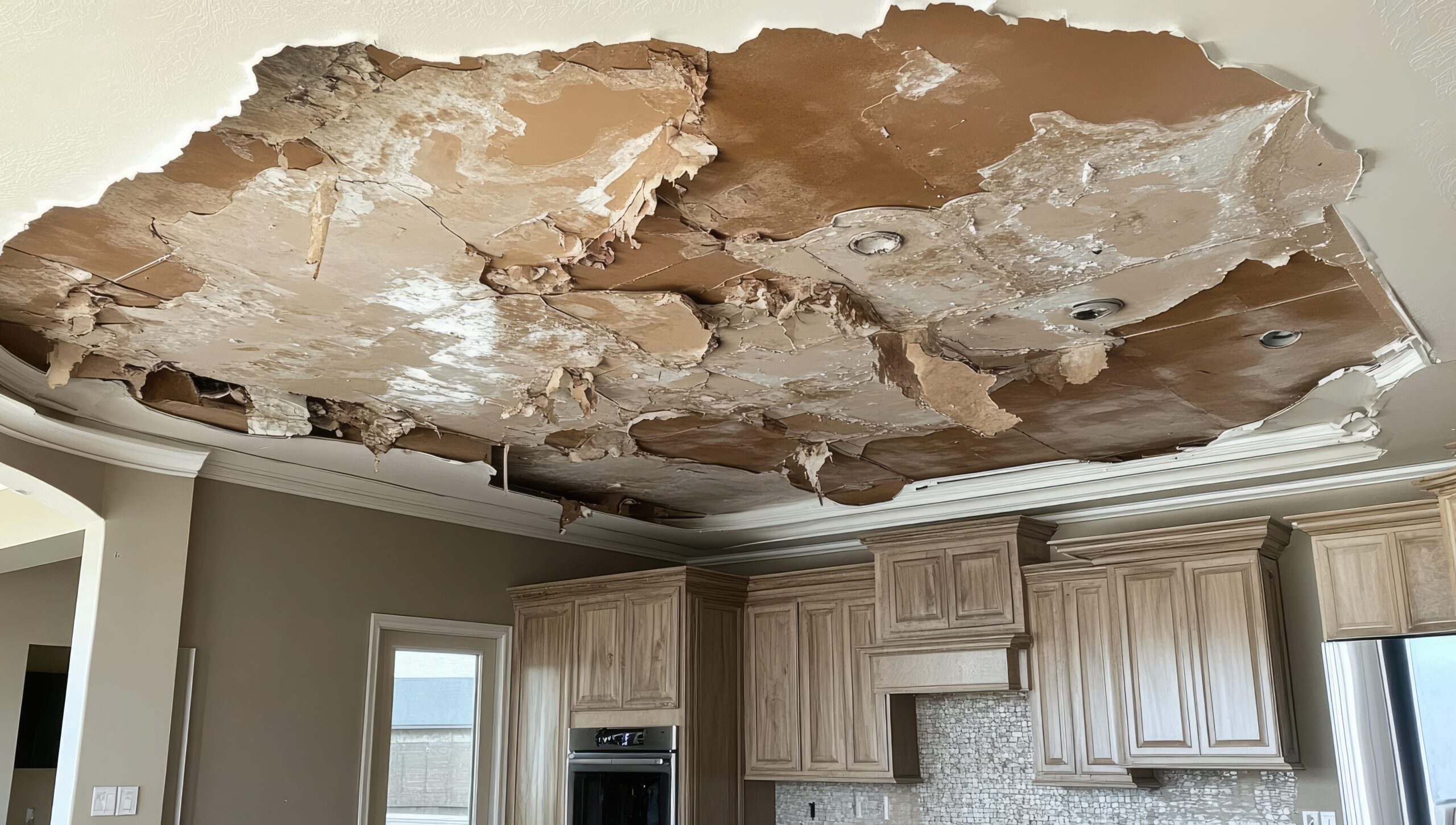
Water damage is a common issue for many homeowners, especially in New England, where aging infrastructure, cold winters, and heavy rainfall can strain plumbing systems and building materials. Damage can occur suddenly—from burst or broken pipes—or develop slowly from a hidden leak that goes unnoticed until it causes structural damage, mold growth, or costly repairs.
Understanding the causes of water damage is the first step toward protecting your home. In this guide, we break down the seven most common causes of water-related issues, explain how excess moisture can lead to bigger problems over time, and share practical ways homeowners can help prevent water damage before minor problems escalate into extensive damage.
How Water Damage Develops Over Time
Water damage occurs when excess water enters parts of a home that aren’t designed to handle ongoing moisture. While a sudden event like flooding caused by a burst pipe is easy to spot, slow issues—such as leaking pipes, water dripping behind walls, or ongoing moisture buildup—often cause more harm because they go unnoticed.
When water isn’t addressed promptly, it can:
- Weakened framing, flooring, and the home’s walls, leading to structural issues
- Create an ideal environment that can promote mold growth
- Damage electrical systems and personal belongings
- Result in health risks and insurance claims
Standing water and trapped moisture can also become a breeding ground for mold and bacteria, accelerating further deterioration of affected materials. Knowing how water damage starts—and how quickly it can escalate—makes it easier to identify problems early and limit costly repairs.
The Seven Most Common Causes of Water Damage in Homes
While water damage can come from many sources, most issues fall under the seven most common causes listed below. Understanding where problems typically start makes early detection—and prevention—much easier.
1. Burst Pipes and Leaking Pipes
Burst pipes are a leading cause of water damage, especially during winter when frozen pipes expand and crack. Once thawed, a broken pipe can release large volumes of water quickly.
More subtle issues come from leaky pipes hidden behind walls or under floors. These slow leaks often show up as water stains, water dripping, or a rising water bill, and can cause structural damage if left untreated.
2. Washing Machines, Appliances, and Water Heaters
Appliances that rely on water supply lines—including washing machines, dishwashers, and refrigerators—are frequent sources of leaks. Worn hoses or loose connections can fail without warning.
Water heaters are another major risk. A leaking water heater, cracked tank, or failed drain pan can quickly release significant water, causing substantial water damage if the system isn’t functioning properly.
3. Clogged Drains and Sewer Line Backups
Clogged drains and blocked drain lines prevent water from flowing away as intended. During backups, water can overflow into sinks, tubs, or lower levels of the home.
More serious issues include a damaged or blocked sewer line, which can cause sewage backups. These events cause extensive damage and pose health risks due to contaminated water.
4. Sump Pump Failures
Homes in a flood-prone area often rely on a sump pump to manage groundwater. When sump pump failures occur—due to power outages, mechanical issues, or lack of maintenance—basements can flood quickly.
Routine testing and inspections are critical, especially before periods of heavy rain or heavy downpours.
5. Roof Leaks and Clogged Gutters
Roof leaks often stem from missing shingles, damaged shingles, or compromised flashing that allows water to enter the attic or a home’s walls.
At the same time, clogged gutters filled with leaves and other debris can’t direct water away from the foundation. When gutters regularly overflow, water can pool near the structure and lead to interior flooding.
6. Severe Weather and Natural Disasters
Severe weather and natural disasters are common external sources of water intrusion. Heavy rainfall, coastal storms, and prolonged flooding caused by overwhelmed drainage systems can force water into basements, crawl spaces, and other lower levels.
These events often cause extensive damage, especially when water enters multiple areas simultaneously.
7. HVAC Units and Condensation Issues
HVAC units produce condensation that must be drained properly. Cracked pans or clogged drain lines can allow water leaking to continue unnoticed for long periods.
Over time, this hidden moisture creates an ideal environment for mold growth, contributing to poor air quality and long-term structural issues.
How Water Damage Leads to Bigger Problems
Water damage rarely stays contained. When excess water or moisture buildup isn’t addressed promptly, it spreads into surrounding materials and affected areas, increasing the scope and cost of repairs.
Over time, ongoing moisture can:
- Promote mold growth, creating an ideal environment for bacteria and allergens
- Compromise framing, subfloors, and drywall, leading to structural damage
- Accelerate further deterioration of walls, ceilings, and flooring
- Damage wiring and mechanical systems
- Ruin personal belongings that absorb or trap moisture
Hidden leaks and standing water are especially dangerous because they often go unnoticed until odors, visible damage, or health risks appear. If left unresolved, even minor leaks can cause substantial water damage, increase insurance claims, and prolong disruption inside the home.
Early detection and swift action help limit the spread, reduce repair time, and prevent issues from escalating into costly repairs.
How Homeowners Can Reduce the Risk of Water Damage
Not all water damage can be avoided, but routine maintenance and awareness can significantly reduce risk. These prevention tips focus on early detection and simple habits that help homeowners catch problems before they escalate.
- Regularly inspect pipes, appliances, and visible plumbing for signs of a leak or corrosion
- Check your water meter periodically to spot a hidden leak that isn’t visible inside the home
- Monitor water pressure, as sudden changes can indicate a developing plumbing issue
- Maintain washing machines, water heaters, and other damaged appliances connected to the water supply
- Clean gutters regularly and remove leaves, debris, and buildup that prevent proper drainage
- Test your sump pump before storm season, especially in a flood-prone area
- Insulate exposed plumbing to reduce the risk of frozen pipes
- Address minor issues promptly before they cause extensive damage
Consistent regular inspections can help homeowners prevent water damage, protect structural components, and avoid unnecessary disruption.
What to Do When You Discover Water Damage
If you notice water stains, water dripping, or active water leaking, taking quick, measured action can limit the spread and reduce long-term impact. Start by stopping the source if it’s safe to do so, such as shutting off the water supply or isolating a specific fixture.
Next, focus on containing the issue. Removing standing water and ventilating damp spaces can slow moisture buildup while you assess the situation. Avoid using electrical systems in wet areas, and document any visible damage as it develops; this documentation can be helpful for insurance claims.
For larger or ongoing issues—especially those involving flooding, sewage, or hidden moisture—professional water damage restoration helps ensure affected materials are adequately dried and prevents further deterioration. Acting early can make the difference between a manageable repair and causing extensive damage to your home.
Get Help If Water Damage Is Affecting Your Home
When water damage extends beyond a small leak or recurs, having experienced help can make recovery faster and more complete. For homeowners across Massachusetts and Rhode Island, Total Restoration provides professional water damage restoration services focused on thorough drying, damage assessment, and protection of affected areas from long-term issues such as mold growth and structural damage.
If you’re dealing with ongoing moisture, flooding, or signs of substantial water damage, reaching out early can help limit disruption, reduce costly repairs, and streamline the insurance process. Contact us today.