
 Call your local pro today!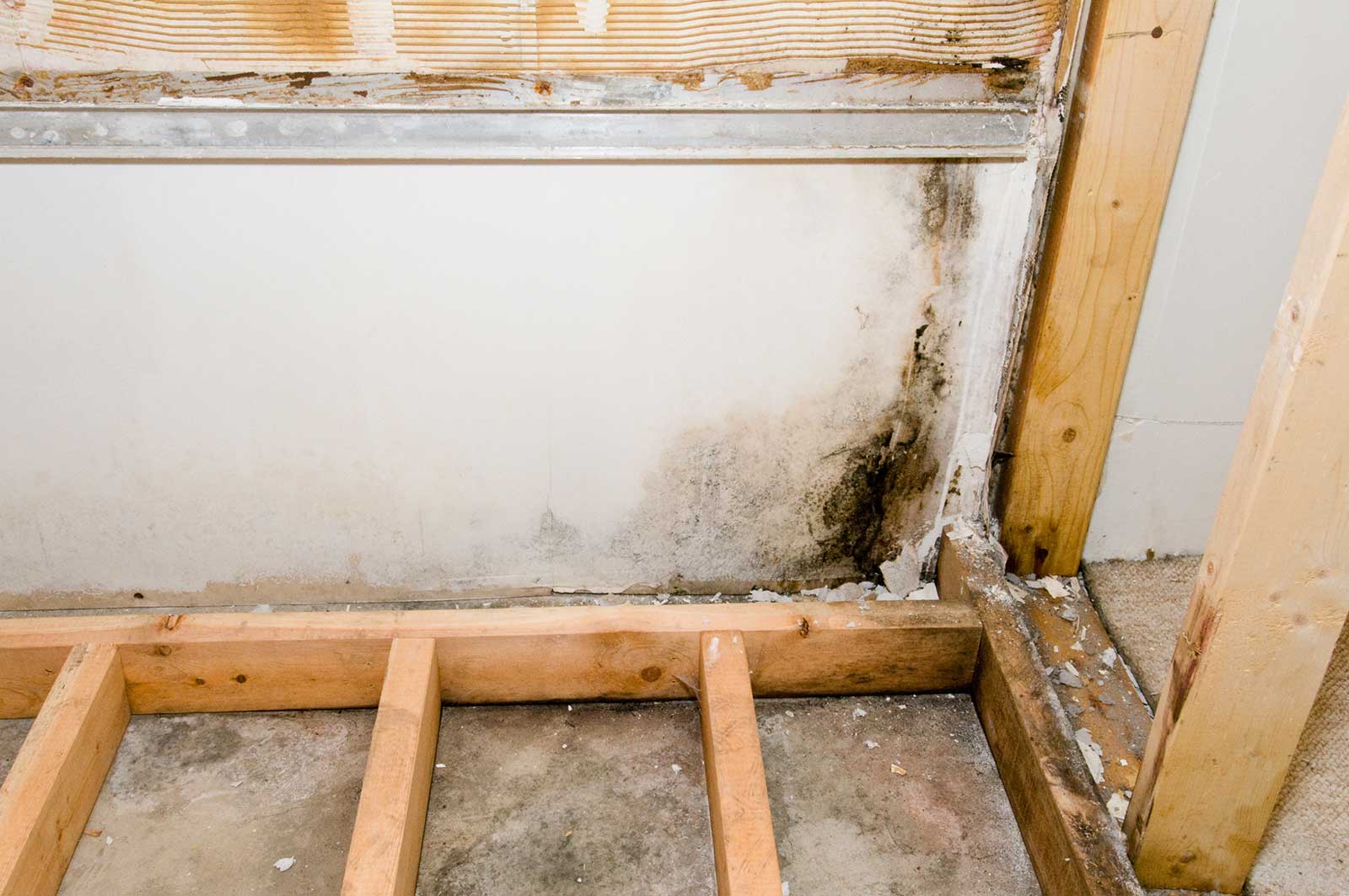
Warm, damp summer air can quietly create the conditions for mold growth inside homes across Massachusetts, Rhode Island, and the surrounding areas. As indoor humidity levels rise, moisture settles into building materials, crawl spaces, and HVAC systems—often before homeowners notice a problem.
Understanding summer humidity mold risk helps protect your property, support healthier indoor air quality, and reduce the chance of unexpected repair costs later in the season.
Key Takeaways
- High humidity above 50% significantly increases the likelihood of indoor mold growth.
- Mold can begin developing within 24–48 hours when excess moisture is present.
- Managing indoor humidity improves comfort, protects materials, and supports better air quality.
- Ventilation, filtration, and maintenance play a major role in mold prevention.
- Professional remediation may be necessary when visible mold spreads beyond small surface areas.
Why Summer Humidity Increases Mold Risk Indoors
During New England’s humid summers, warm air carries more water vapor, raising humidity levels inside basements, attics, bathrooms, and wall cavities. When humidity creates ideal conditions, dormant mold spores settle onto surfaces and begin growing on organic materials such as drywall, insulation, wood framing, and carpet backing.
Even when air conditioning is running, humid air can enter through small gaps around windows, foundations, and roof penetrations. Over time, elevated moisture levels collect in hidden areas where mold thrives unnoticed.
Because relative humidity directly influences whether mold develops, maintaining balanced indoor humidity levels throughout the summer season is one of the most effective ways to protect your home.
Common Signs of Mold and Excess Indoor Humidity
Early warning signs of moisture problems are often subtle. Watch for:
- A persistent musty odor in basements, closets, or crawl spaces
- Discoloration or visible mold on walls, ceilings, or trim
- Peeling paint or warped drywall
- Condensation on windows during warm mornings
- Sticky indoor air or a lingering, damp, sticky feeling
- Increased allergy symptoms, such as a runny nose or irritation indoors
These signs often indicate excess humidity or poor ventilation, both of which contribute to declining indoor air quality.
How High Humidity Affects Indoor Air Quality and Health
Beyond property concerns, high humidity can influence comfort and wellness. Moist indoor environments allow dust mites and tiny spores to multiply quickly, which may trigger allergic reactions or worsen respiratory conditions.
For some households, prolonged exposure to humid environments may:
- Aggravate asthma
- Increase allergy symptoms
- Affect people with chronic obstructive pulmonary disease
- Contribute to general respiratory irritation
Humidity also influences how the body regulates heat. During periods of elevated air temperature, the heat index rises as moisture slows evaporation from the skin. This can increase the likelihood of heat exhaustion, heat stroke, and other heat-related illnesses, particularly during extended humid weather.
Maintaining a balanced indoor humidity level supports healthier breathing and more comfortable living spaces throughout the summer.
Where Mold Commonly Develops During Humid Summers
Hidden moisture often accumulates in areas with insufficient ventilation or unnoticed water entry. Common problem locations include:
- Basements and crawl spaces
- Behind furniture on exterior walls
- Around drain lines and plumbing connections
- Inside HVAC components and duct systems
- Near window frames and roof penetrations
- Areas affected by roof leaks or foundation cracks
Because lingering moisture in these spaces may remain undetected, regular seasonal inspections help identify problems before they lead to structural damage or costly repairs.
How To Prevent Mold Growth During The Summer Season
Consistent humidity control is the foundation of effective mold prevention. Homeowners across Greater Boston, southern Massachusetts, and Rhode Island can reduce risk by focusing on a few practical steps.
1. Maintain Proper Humidity Levels
Use a hygrometer to monitor indoor humidity levels and aim for 45–50% relative humidity.
2. Run Air Conditioning Consistently
Modern air conditioners remove moisture as they cool indoor air, helping stabilize conditions during periods of high temperatures.
3. Improve Ventilation
Encourage circulation with exhaust fans in bathrooms and kitchens, and let fresh outdoor air into living areas when weather permits.
4. Address Moisture Sources Quickly
Repair plumbing leaks, inspect window seals, and keep gutters clear to prevent water intrusion and excess moisture.
4. Support Balanced Airflow
Homes with ongoing humidity issues may benefit from energy recovery ventilators, which help maintain adequate ventilation while preventing excess outdoor moisture from entering.
Together, these steps help prevent mold growth, improve comfort, and reduce long-term maintenance risks.
How HVAC Systems Influence Summer Moisture Levels
Your HVAC system plays a central role in controlling indoor humidity. When systems operate efficiently, they remove moisture along with heat. However, clogged condensate lines, blocked filters, or aging components can allow moisture to collect inside equipment.
Routine maintenance helps:
- Reduce stale indoor air
- Limit airborne mold spores
- Improve cooling efficiency
- Prevent hidden condensation buildup
- Reduce unnecessary energy loss
If your home continues to feel damp despite running the air conditioning, a professional inspection can help identify underlying moisture sources that are affecting performance.
When Professional Mold Remediation Is Recommended
Some moisture issues can be addressed with maintenance and ventilation improvements. Others require specialized remediation.
Professional support is recommended when:
- Visible mold spreads across multiple surfaces
- Mold returns after repeated cleaning
- Water damage was not dried within 48 hours
- Odors persist despite ventilation improvements
- Occupants experience ongoing health risks linked to poor air quality
Total Restoration provides IICRC-certified mold remediation services throughout Massachusetts, Rhode Island, and the surrounding areas. Our team identifies the source of moisture, removes contaminated materials when necessary, and supports complete recovery—not just surface cleaning.
Protect Your Home From Summer Moisture Before Problems Spread
Managing summer humidity mold risk early helps protect both your property and your indoor environment. If you’ve noticed persistent moisture, musty odors, or changes in indoor air quality, a professional assessment from Total Restoration can help identify the cause and recommend the right next steps.
Contact Total Restoration to schedule an inspection and take control of indoor moisture before minor concerns turn into major repairs.
Frequently Asked Questions
What humidity level causes mold growth indoors?
Mold may begin to develop when relative humidity remains above 50% for extended periods, especially during warm, humid summer conditions.
How quickly can mold grow after moisture appears?
Under warm temperatures and high moisture levels, mold can begin to grow within 24 to 48 hours on materials like drywall, insulation, and wood.
Does air conditioning help prevent mold in the summer?
Yes. Properly functioning air conditioning reduces indoor humidity, improves airflow, and helps maintain healthier indoor air quality, lowering the likelihood of mold development.